Kyoto in Monochrome: Morning Rites at Forgotten Temples
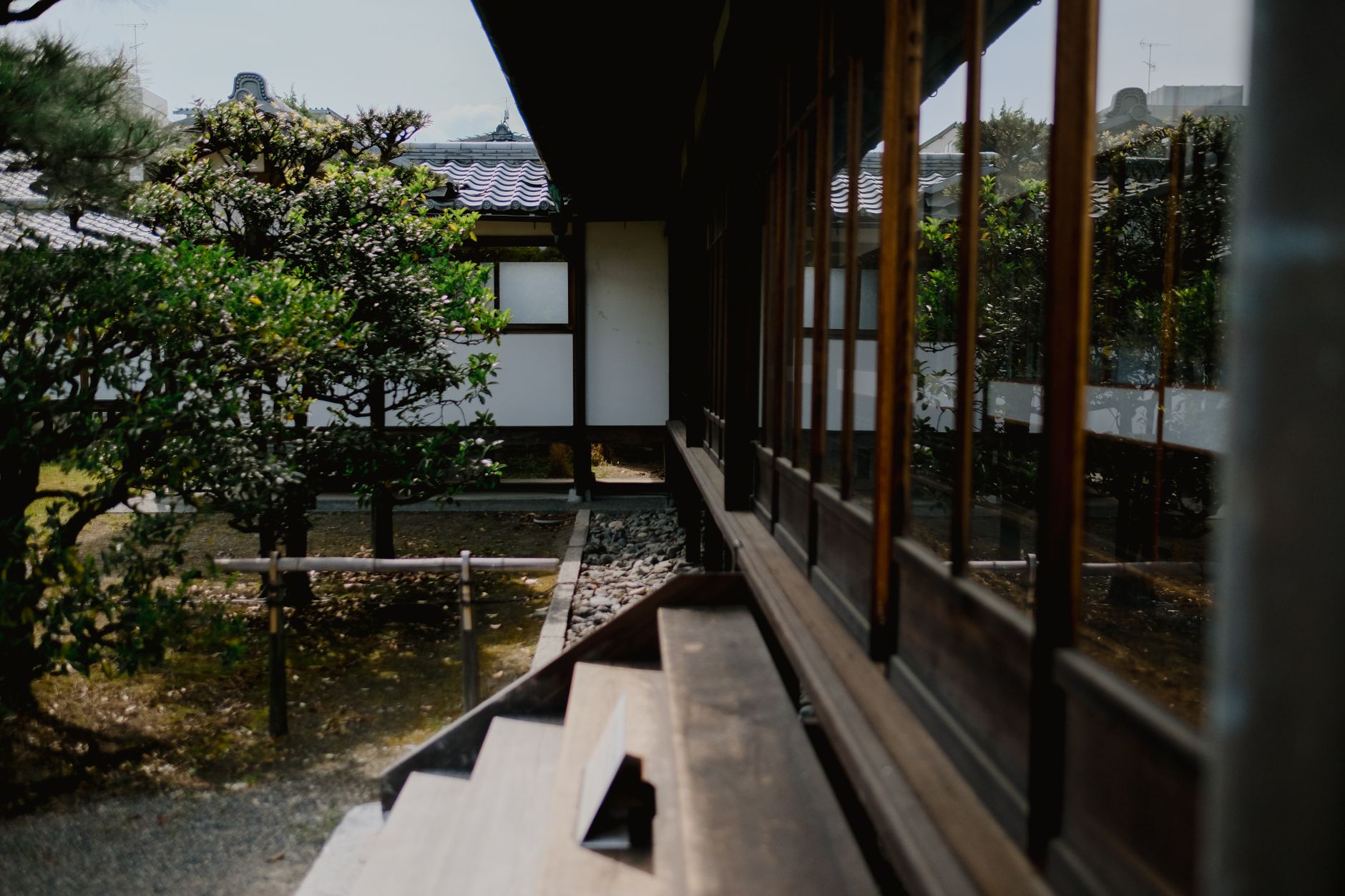
Before dawn has fully washed over the eastern mountains of Higashiyama, Kyoto operates on a distinct frequency. The gravel paths surrounding small sub-temples of the Daitoku-ji compound remain moist from overnight dew. A monk in dark indigo robes sweeps fallen camellia petals with a broom woven from bamboo twigs, every motion measured and unhurried.
The Architecture of Emptiness
Japanese aesthetics frequently explore the concept of Ma—the negative space between objects that gives shape to form. Sitting on the polished cedar engawa veranda of a four-hundred-year-old abbot's quarters, the garden before you is not a demonstration of horticultural abundance, but an exercise in restraint.
Raked quartz gravel suggests ripples of ocean current, while moss-cloaked boulders evoke islands emerging from mist. Here, architecture does not impose itself upon nature; rather, paper shoji screens frame the changing light of dawn with clinical elegance.
"When the mind ceases attempting to fill every silence, the sound of water dripping into a stone basin becomes an entire symphony."
The Ritual of Bitter Tea
In a small tearoom measuring barely four-and-a-half tatami mats, we participate in a morning tea ceremony guided by master tea practitioner Yoshiko Inoue. The water boils over charcoal embers in an unadorned iron kettle, producing a rhythmic hiss likened to wind through pine trees (matsukaze).
Every movement—the wiping of the ceramic tea bowl, the whisking of bright green matcha powder, the presentation—embodies absolute hospitality devoid of theatricality. It is this intentional devotion to singular moments that draws discerning travelers back to Japan's ancient capital again and again.